

At the Politecnico di Milano, energy management is a matter shared by the different structures and areas of the University. It is mainly coordinated by the Supplies & Facility Management Division, the Real Estate, Construction and Development Division and the Energy Committee. The latter, together with the Energy Manager of the University, is responsible for defining institutional strategies in the field of energy management and assisting the Administration in achieving the objectives of economic efficiency and rational use of energy resources, while ensuring full compliance with current regulations.
The Politecnico di Milano promotes responsible energy policies and solutions that implement the most advanced technologies for energy efficiency to reduce the consumption of primary energy from fossil sources and climate-changing gas emissions.
The following targets were set in the 2023-2025 Strategic Sustainability Plan:
- reduce the University's primary energy consumption by 30% through effective management strategies and behavioural practices;
- ensure that the energy consumed is produced using renewable sources as much as possible, with the installation of photovoltaic panels on the roofs of the University and the purchase of renewable electricity;
- involve the Politecnico community, citizens and institutional stakeholders in its pursuit to become a catalyst for impact on the region’s path to decarbonisation.
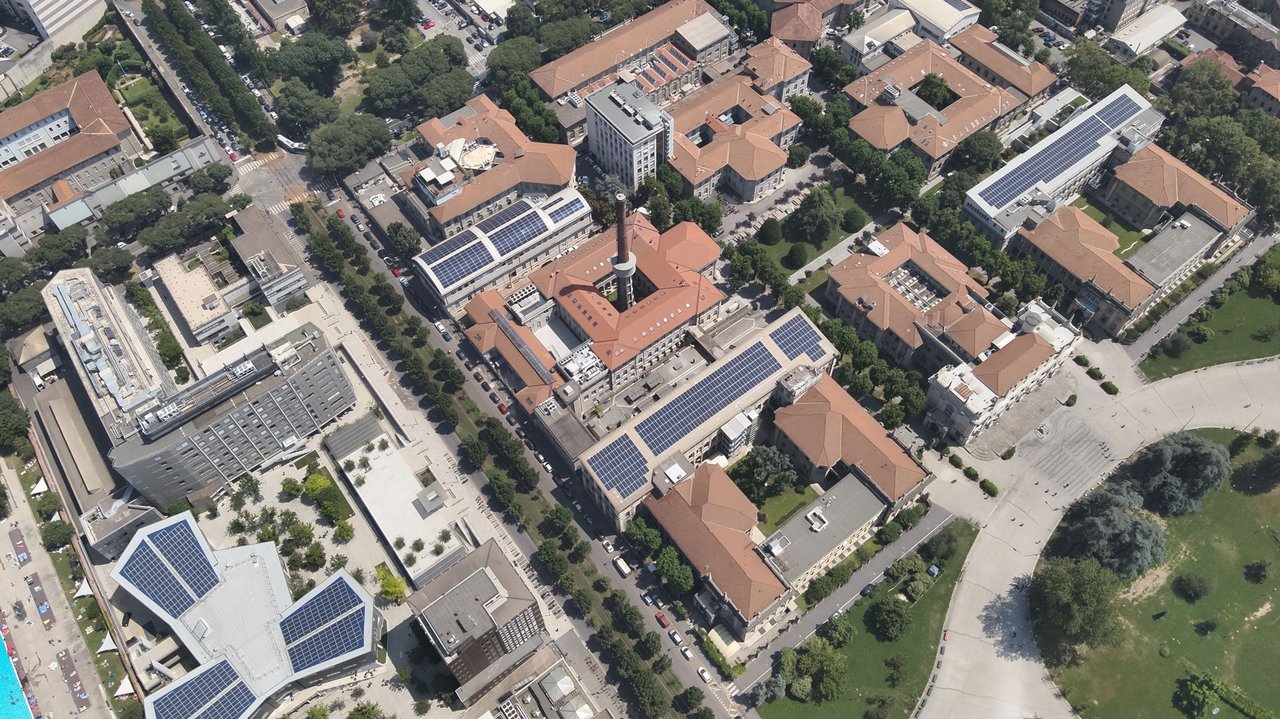
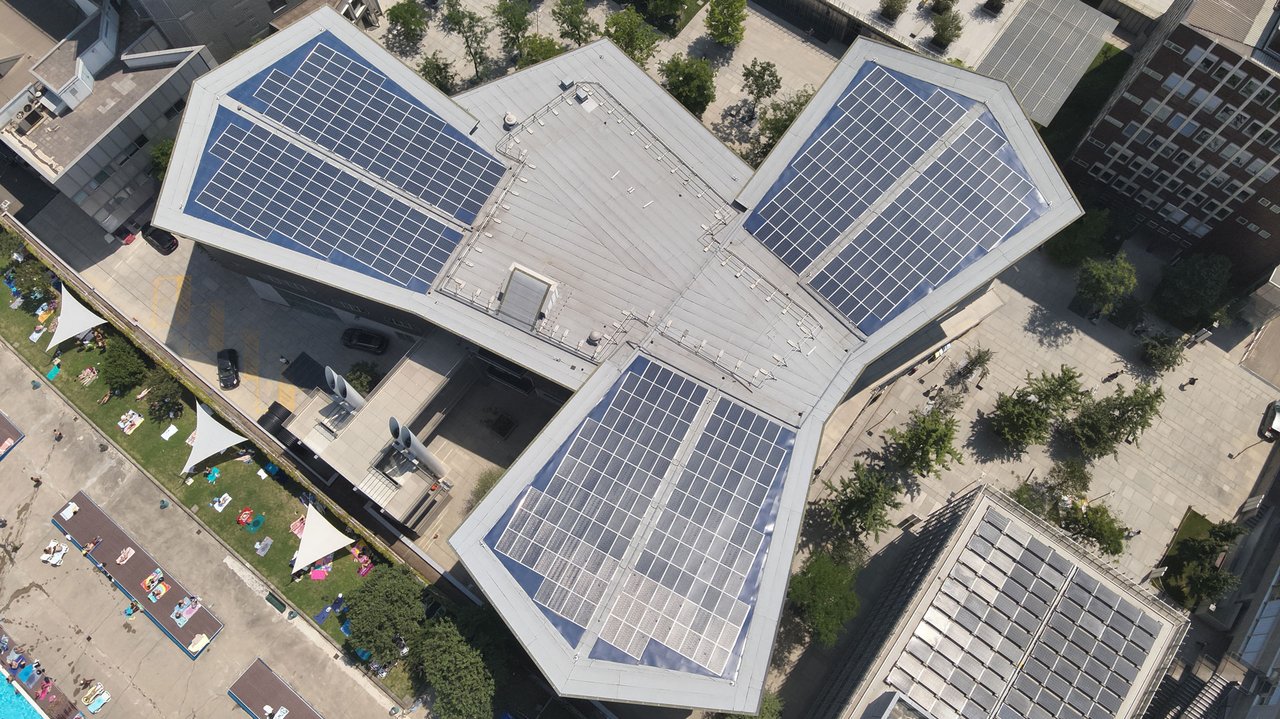
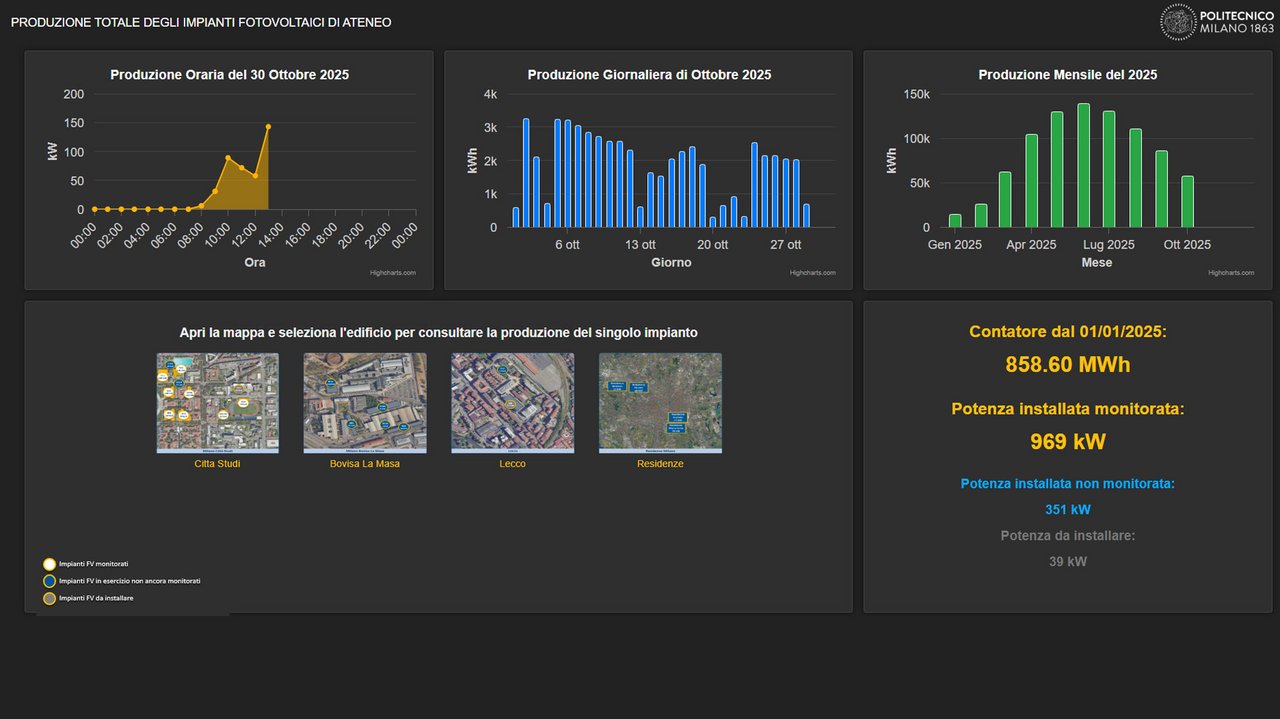
On the Campuses there are several photovoltaic systems and a 2 MW electric cogeneration plant that powers the PoliGrid of the Leonardo Campus. A public dashboard available online is used to monitor the total production of the photovoltaic systems.
Energy consumption
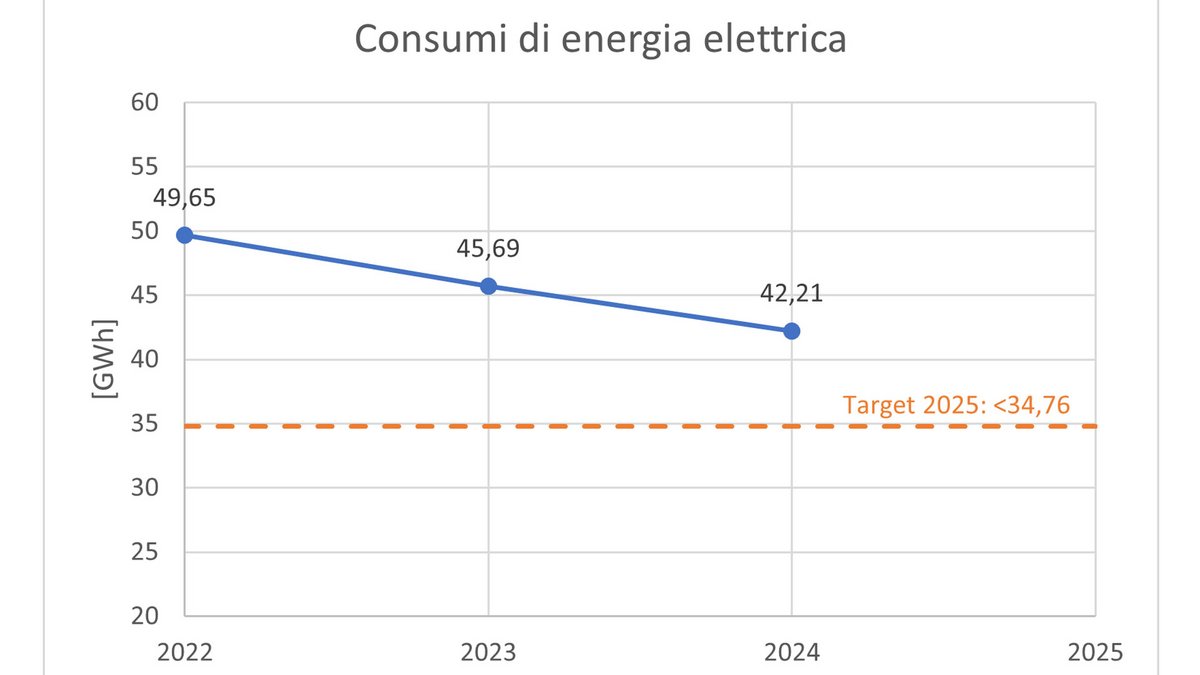
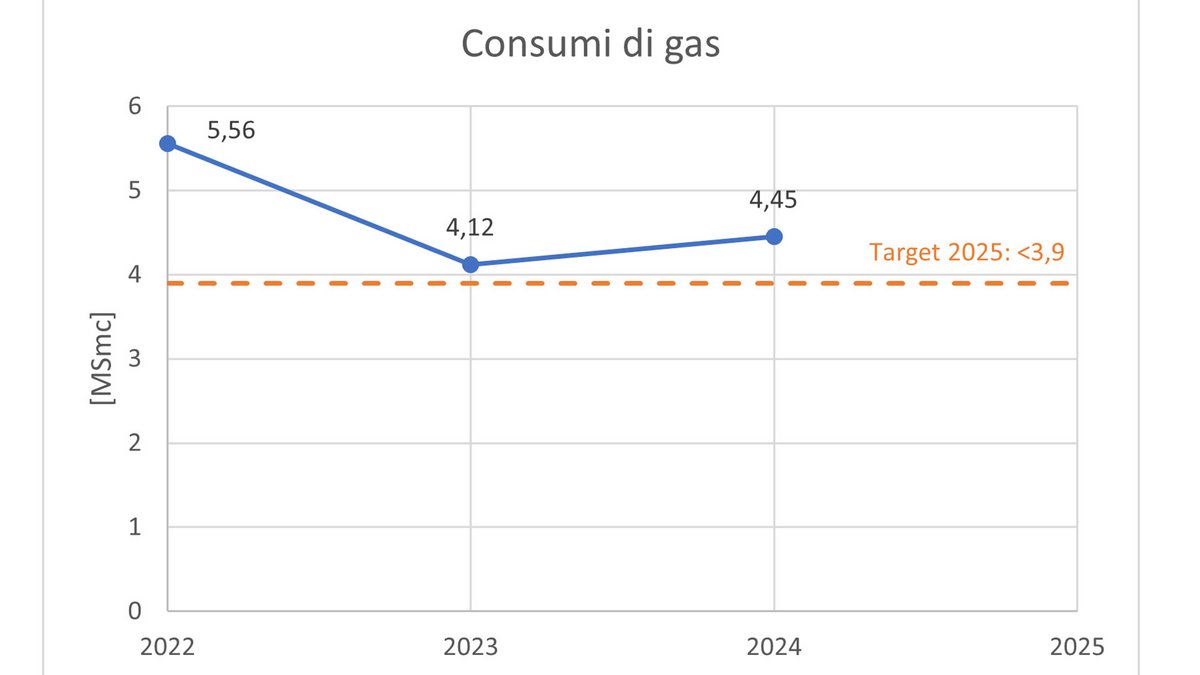
The total electricity requirement of the Politecnico di Milano is currently around 40–45 GWh/year, equivalent to the average annual consumption of about 1,000–1,500 households.
Part of the energy demand is met by the photovoltaic systems: in 2024, these produced in excess of 900 MWh, corresponding to a total installed capacity of more than 1,200 kW. This production is expected to increase significantly in the coming years with the installation of more systems: it is estimated that photovoltaic production alone will cover about 8% of the electricity needs of the entire University.
The annual consumption of natural gas stands at approximately 4 MSmc; much of this gas is produced by the University’s trigeneration plant, which meets about 70% of the University’s total needs. Although the Città Studi site has higher energy needs than others, the cogeneration plant allows to significantly reduce the consumption of primary energy.
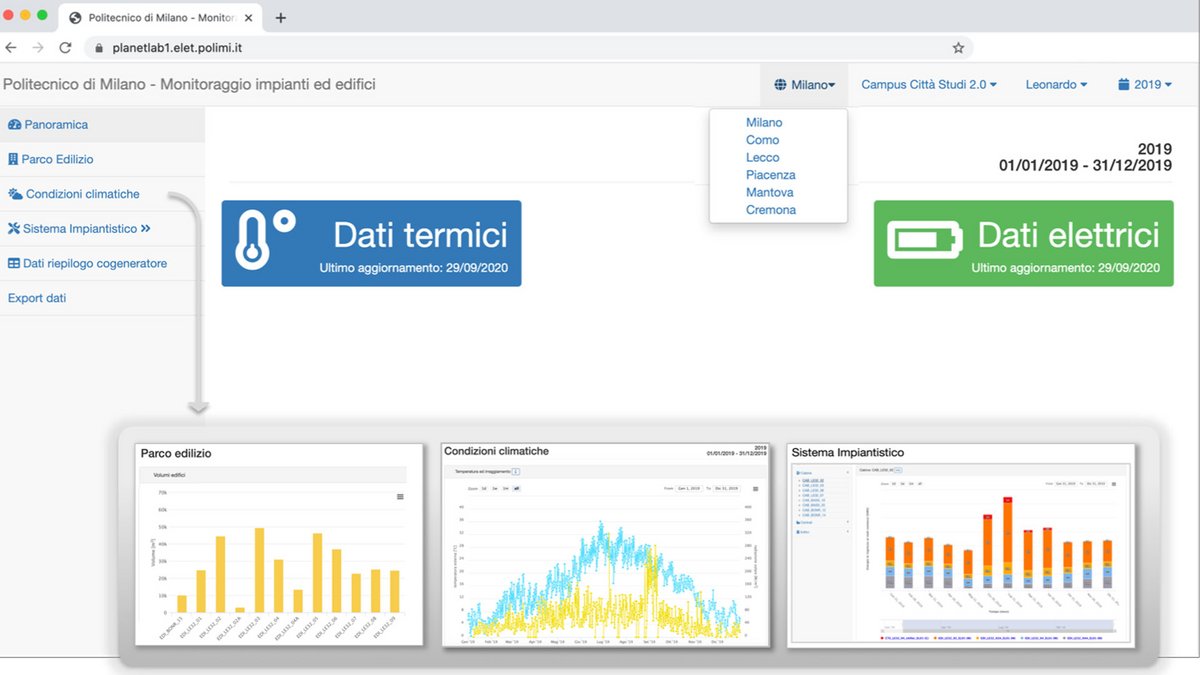
It is important to know the energy performance of buildings as it helps with planning the renovation or construction of new systems, and to identify areas of greatest consumption and energy waste and focus on how to improve them. The energy performance is also useful for the people who manage the buildings, as they can use the data to optimise management of the systems.
In this perspective, the University has set up an extensive network of heating, cooling and electrical meters for the ongoing, precise and detailed monitoring of the energy consumption of all the buildings on the Milan campuses, and of the laboratories in particular.
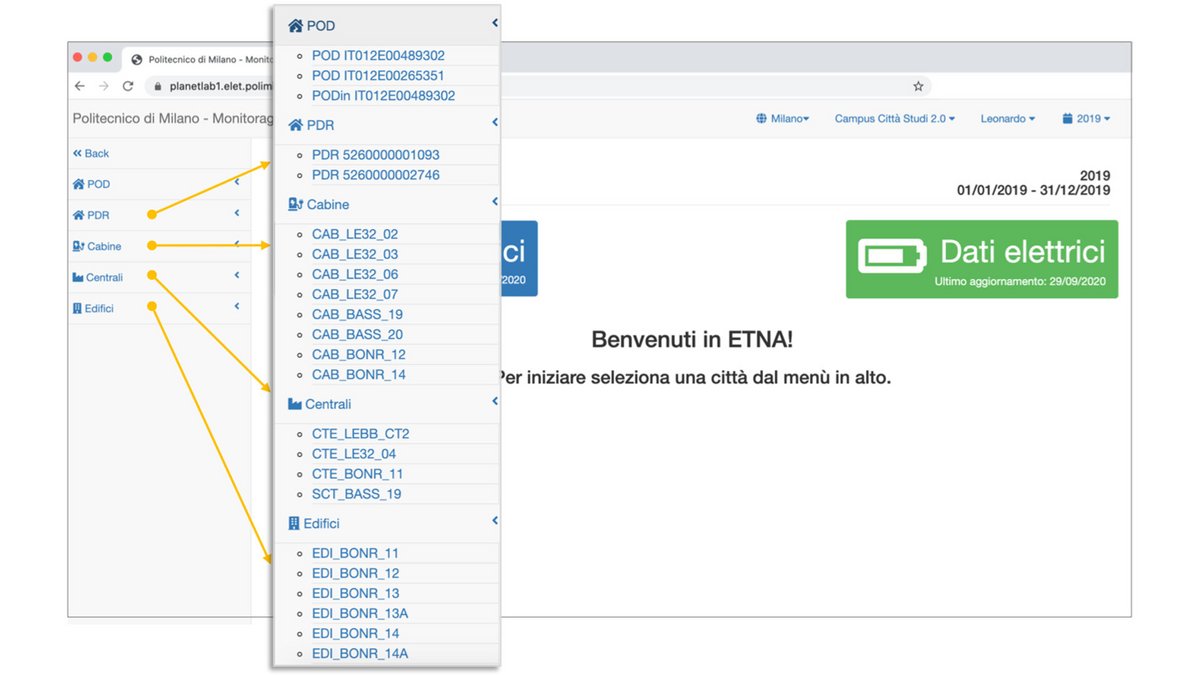
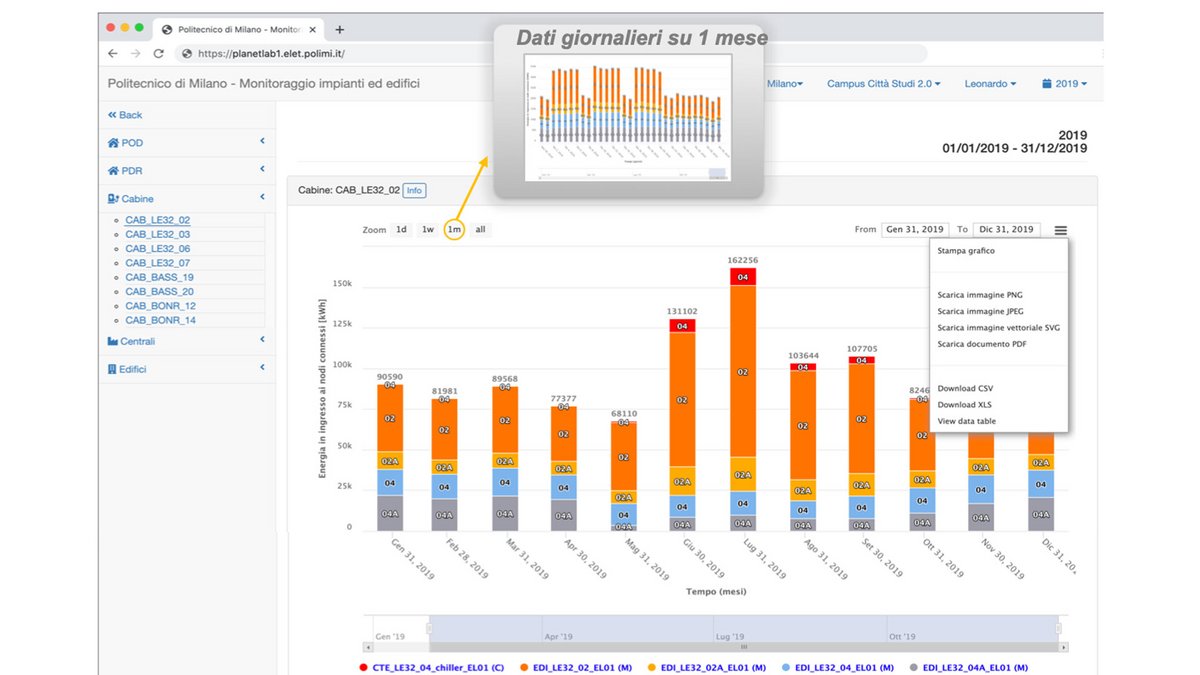
The data are entered in the ETNA database, an innovative computer platform for the collection and analysis of energy data at the Politecnico di Milano. ETNA collects data from the various control systems located within the university and allows quick and easy access to the energy monitoring data in both aggregate and individual form, displaying them in charts and offering the option of downloading details of interest.
The monitoring systems in the field, together with billing data from electricity and natural gas suppliers, provide the information for drawing up the University Energy Report (BEA), a document that collects and analyses the University’s energy data.
Energy efficiency measures
In its ongoing pursuit for energy sustainability, the Politecnico has implemented various measures over the years to improve the operation and management of the systems.
These efforts to reduce energy consumption have paid off: in 2024, the consumption of electricity and gas was down 15% and around 20% respectively compared to 2022, and initial forecasts suggest the trend will continue in the same vein in 2025.
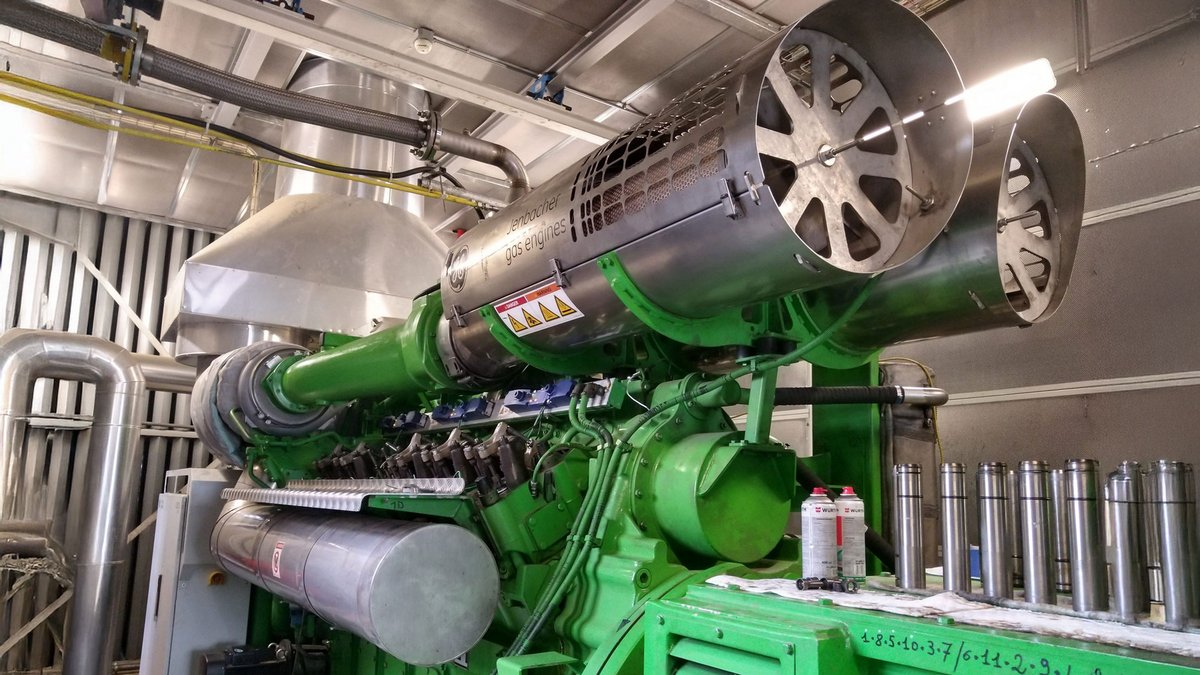
Cogenerator
A cogeneration plant with a nominal power of 2 MW was set up at the Leonardo campus in 2015. This plant, consisting of a reciprocating endothermic engine powered by natural gas, produces both electricity and thermal energy through the recovery of heat from both the internal components of the machine and the exhaust gases. Cogeneration is one of the most efficient energy solutions there are. It combines a significant reduction in climate-altering emissions with substantial economic savings, as it permits the self-production of electricity and heat.
The plant also works as a tri-generator: in summer, the heat produced is recovered in an absorption refrigerator and used to produce chilled water which is then channelled to the buildings in via Bassini through a dedicated district cooling network. This makes it possible to exploit the efficiency of cogeneration not just in winter, but throughout the year.
The cogenerator currently meets about 80% of the electricity (10 GWh) and 60% of the thermal energy (6 GWh) demand of the campus. The total efficiency of the plant during the winter season exceeds 82%, reducing emissions by more than 2,500 tons of CO2 emissions each year.
A significant project for upgrading the energy systems at the University is currently underway with a view to improving efficiency. A total of 19 refrigeration units were replaced in the two-year period 2023-24, increasing the cooling capacity to 5,300 kWf. Once all the units have been replaced, it is estimated that annual energy savings could exceed 30% by 2030.
The process of upgrading the lighting at the University involves replacing all the traditional neon lighting fixtures with LED systems by 2030. At the end of 2024, 39% of the total number of lighting fixtures was replaced. This amounted to 25,250 units out of a total of 65,000. Once all the fixtures have been replaced within the timeframe, it is estimated that the amount of energy saved will total over 5,000 MWh per year.
Fine-tuning of the systems includes the optimisation of operating times and temperatures, the careful testing of the manual and automatic switching-off of the lights, the timed management of operation with programmable clocks, presence sensors and measuring instruments, and the implementation of monitoring campaigns to locate concealed utilities not performing to standard.
In 2024, at the initiative of Cantiere della Sostenibilità “Risparmio energetico”, an internal call was published for upgrading the laboratory equipment with a view to making it better performing and more energy-efficient. Intended for other departments and campuses, the call aimed to finance the installation of more efficient devices, with a contribution equal to the estimated economic savings resulting from the reduction of consumption.
Three projects were financed, with a combined value of more than 770,000 euros:
- The Department of Mechanical Engineering and the Department of Aerospace Science and Technology will upgrade the oil pumping and air compression systems.
- The Department of Electronics, Information and Bioengineering will modernise the server room, reducing consumption through the virtualisation of the systems and implementation of new energy efficient solutions.
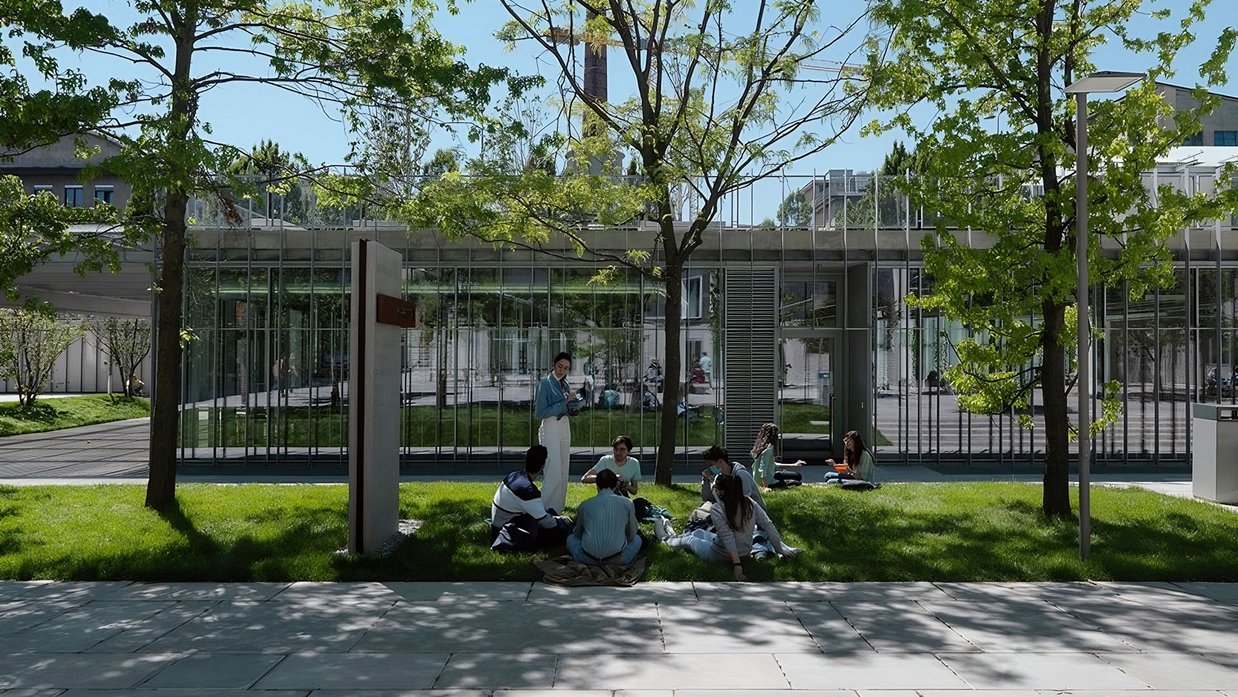
During 2024, in addition to the renovation and energy efficiency interventions in three of the buildings with the poorest performance ratings, the Energy Redevelopment Plan of the University’s Building Stock was drawn up. The “Recommendations for Sustainable Building” is also in the process of being drafted by the Department of Architecture, Built Environment and Construction Engineering. Meanwhile, several pilot projects have been launched to assess the effects of sunscreens and natural ventilation in buildings, with direct application in Building 11B of the Department of Architecture and Urban Studies
CO2 reduction
In its 2023-25 Strategic Sustainability Plan, the Politecnico di Milano set ambitious targets for reducing its CO2 emissions: a per capita decrease of 25% by 2025 compared to 2015 levels and of 50% by 2030, until carbon neutrality is attained by 2040.
In order to achieve these objectives with regard to energy, the University implemented various measures that, in 2024, limited emissions to 15,218 tons of CO₂, corresponding to a 28% reduction in per capita emissions related to the consumption of electricity and gas compared to 2015, and 26% compared to 2022.
Further information on the work carried out to reduce emissions and the mitigation strategies adopted — relating to energy and other influencing factors such as mobility — is given in the CO₂ Mitigation Plan.
Communities, networks and dissemination
The value of relationships is intrinsic to energy transition: building communities, forming networks and sharing knowledge is essential to generate real and lasting change. In this context, the Politecnico di Milano promotes and plays a part in numerous initiatives that combine research, innovation and participation, contributing to the spread of a culture of conscious, supportive and shared energy.
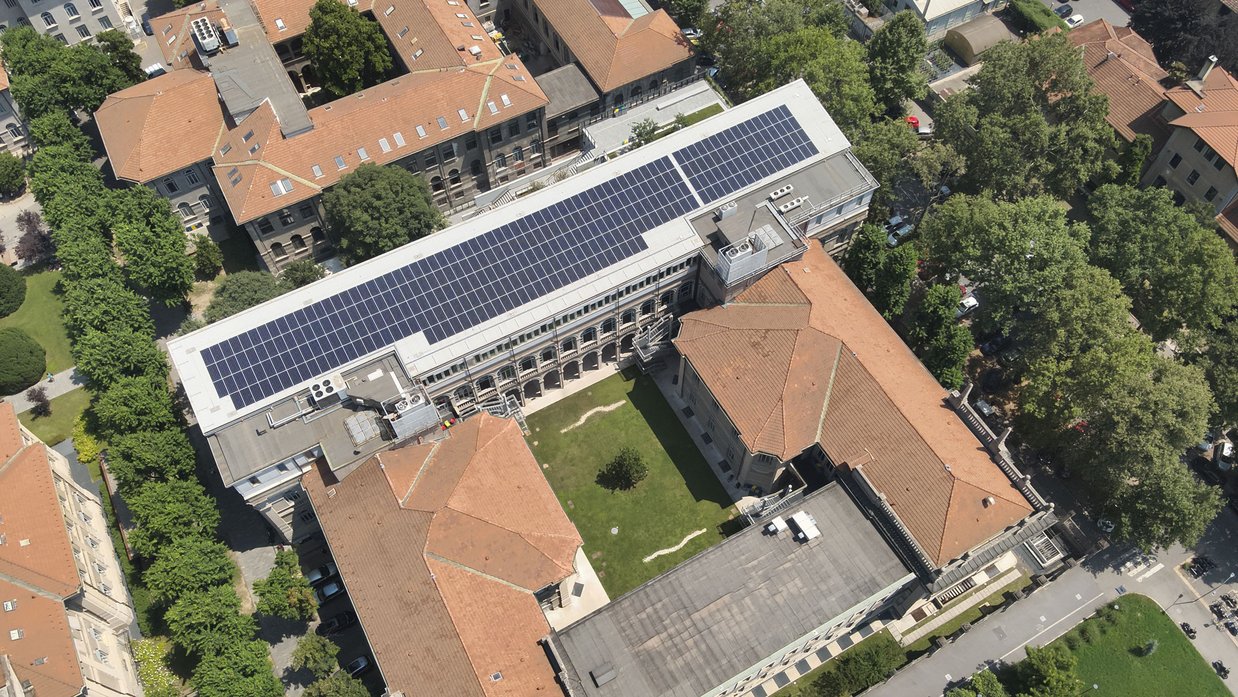
CER.ca.MI Solidale is the first Solidarity Renewable Energy Community of Milan promoted by the City of Milan, the Politecnico di Milano and three important cultural and social enterprises in the area of Milan: Abitare Società Cooperativa, Cooperativa Diapason and Terzo Paesaggio. CER.ca.MI promotes the production and sharing of renewable energy in the area of Milan, with significant environmental and social benefits for the city. In particular, the Politecnico di Milano shares with citizens who live in the vicinity of the campuses the energy produced by the photovoltaic systems installed and put to use by the University. It is already possible to join the ESRB, either as a consumer or as a potential producer, by filling in the membership form on the CER.ca.MI website.
As part of the work of the Cantiere della Sostenibilità “Risparmio energetico”, three documents were drawn up for the reduction of energy waste:
- Handbook addressed to Management Managers and Laboratory Managers with guidelines for investment in equipment, tools and machinery.
- Handbook on the sustainable and energy-saving behaviour of individuals, addressed to the entire university community.
- Guidelines for the installation and management of energy systems.
Within the context of the RUS – Rete delle Università per lo Sviluppo Sostenibile (Network of Universities for Sustainable Development), the Politecnico di Milano is a member of the Energy Working Group, which analyses the energy needs of university facilities and pinpoints strategies aimed at reducing them, as well as meeting them using renewable sources, while ensuring compliance with the levels of comfort and services offered. To this end, the Group collects data, develops information and methodological bases and defines benchmark indicators and metrics. It also promotes and disseminates best practices for efficient energy management in the Public Administration.
The Politecnico currently plays an active part in two working subgroups. The first focuses on improving the role of Energy Managers in Italian universities, sharing good practices of energy saving and efficiency. The second, coordinated by the Politecnico, focuses on the theme of Energy Communities established by or involving the participation of universities.